
Join REISNEUZEN for a week of canoeing and wild camping in Sweden, from the first paddle strokes to the final trip back to base camp. Along the way, they share plenty of peaceful moments, nature and great camping spots, as well as practical tips on what to bring and what to leave at home.
Covered on this page:
- From Eindhoven to the Swedish wilderness
- First strokes of the paddle and our first shelter
- Sleeping on islands, swimming and eating food packs
- Rain, collecting water and moving on
- Locks, new territory and unexpected company
- The final campfires and why choosing the right spot matters
- Peeing, pooping, and getting back to base camp
- Watch the video by REISNEUZEN
In short
- Fly to Oslo, then take a shuttle to Sweden
- Start at base camp with a briefing, camping gear and a food pack
- Paddle for several days through nature, past locks and small islands
- Wild camp in peaceful spots, sometimes near a shelter or other canoeists
- Practical packing and camping tips at the end of the trip
From Eindhoven to the Swedish wilderness
The trip starts at Eindhoven Airport, with a week of canoeing in Sweden ahead. It quickly becomes clear what makes this adventure so special: the silence, the open space and the feeling of crossing an entire wilderness by canoe. First, the group heads to Oslo, which is of course in Norway, followed by a shuttle ride of around 2.5 hours to Sweden.
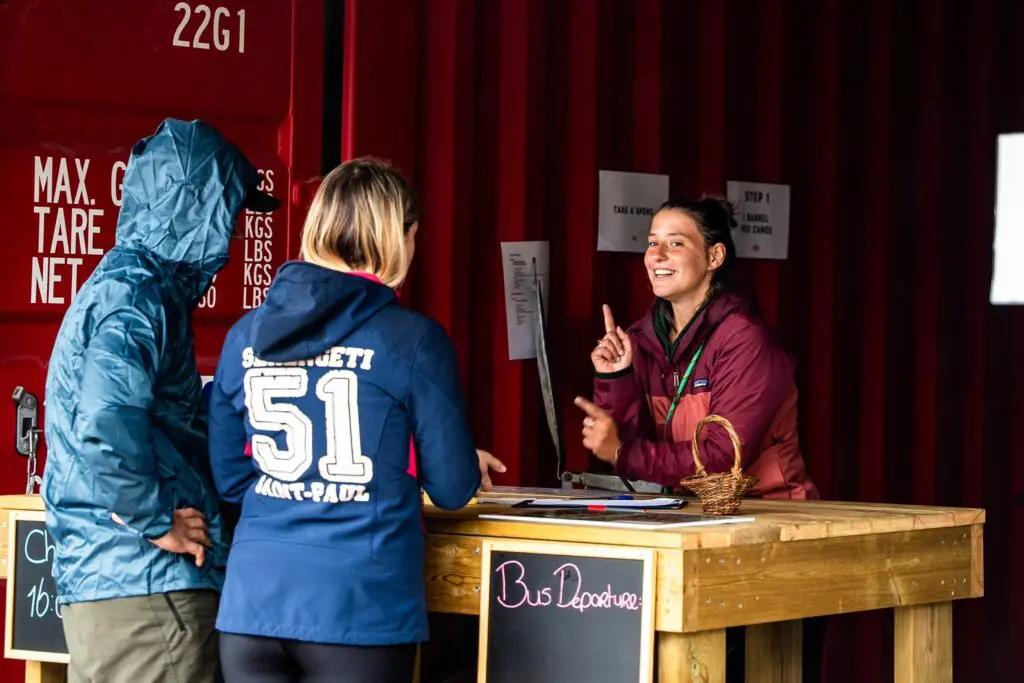
When they arrive at base camp, one thing immediately stands out: how long the daylight lasts. It’s midsummer, and the longest day of the year. After a short briefing, they collect their camping gear and put up their tent for the first night.
First strokes of the paddle and our first shelter
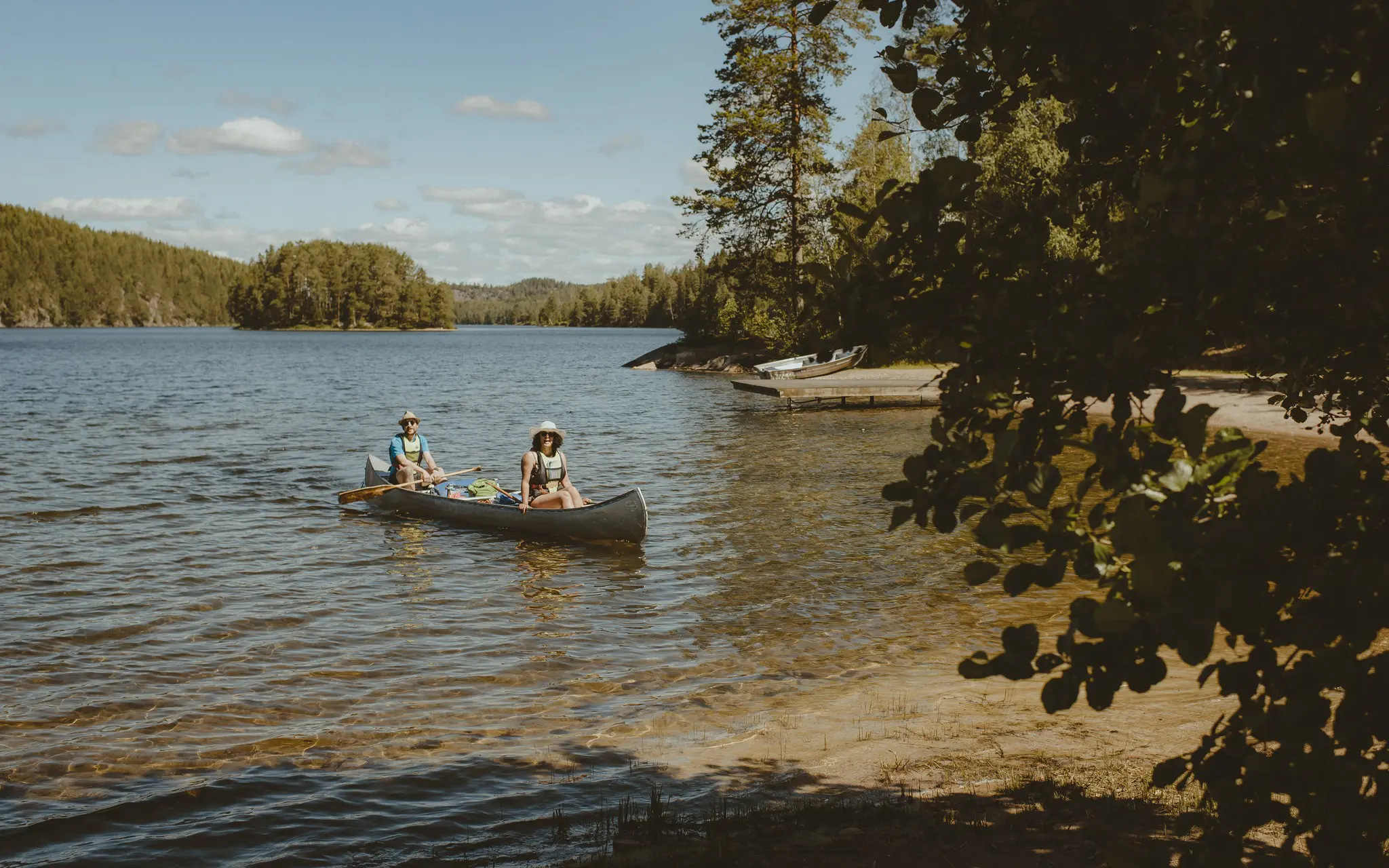
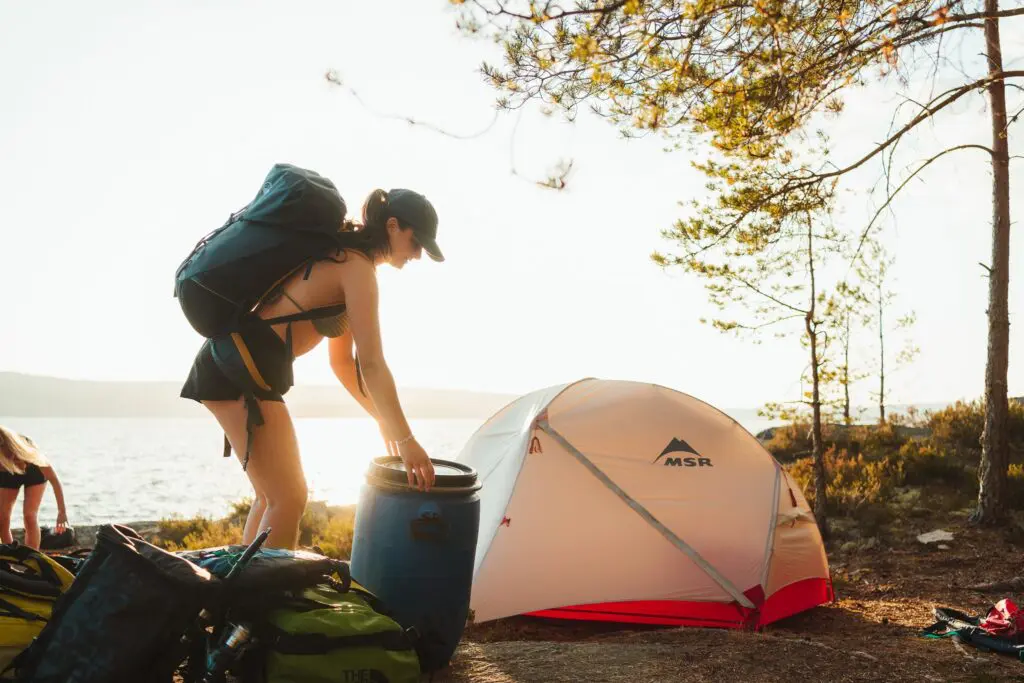
After the briefing, they receive paddles, a barrel, dry bags and a food pack. Everything is redistributed, and they’re assigned canoe number 32. The canoe is placed on a trolley, and then the moment finally arrives: they set off on the water.
The route is shown as the green line in the canoe trip app. They paddle for a while before stopping at an official shelter for lunch. They explain that a shelter is a campsite with facilities including toilets and campfire spots. In the end, though, they choose an even better location, one that isn’t official but feels extra special.
Sleeping on islands, swimming and eating food packs
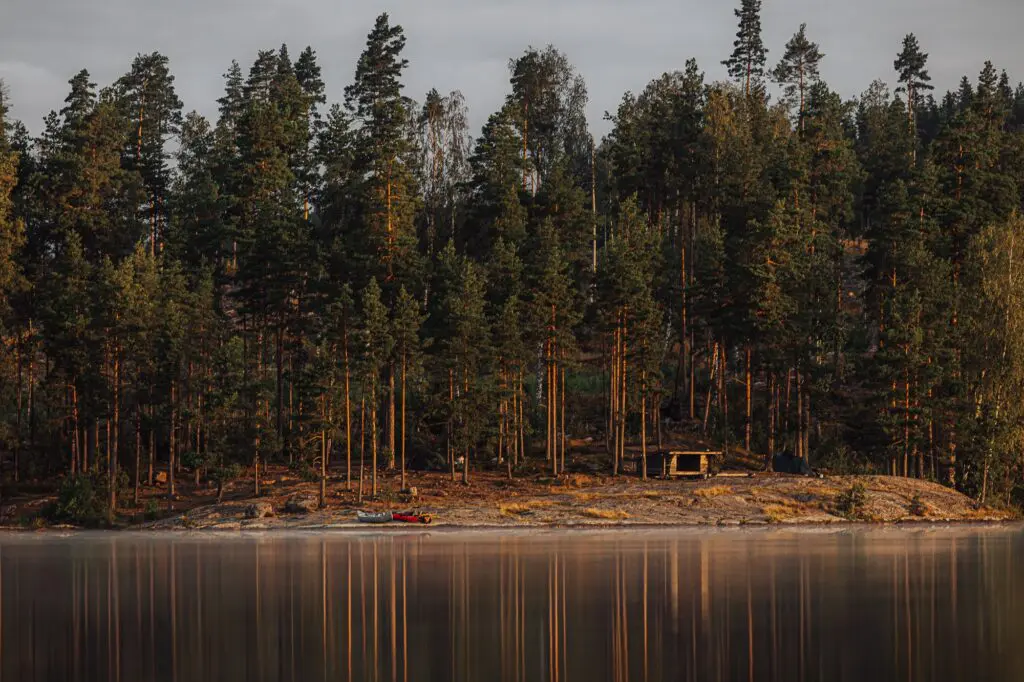
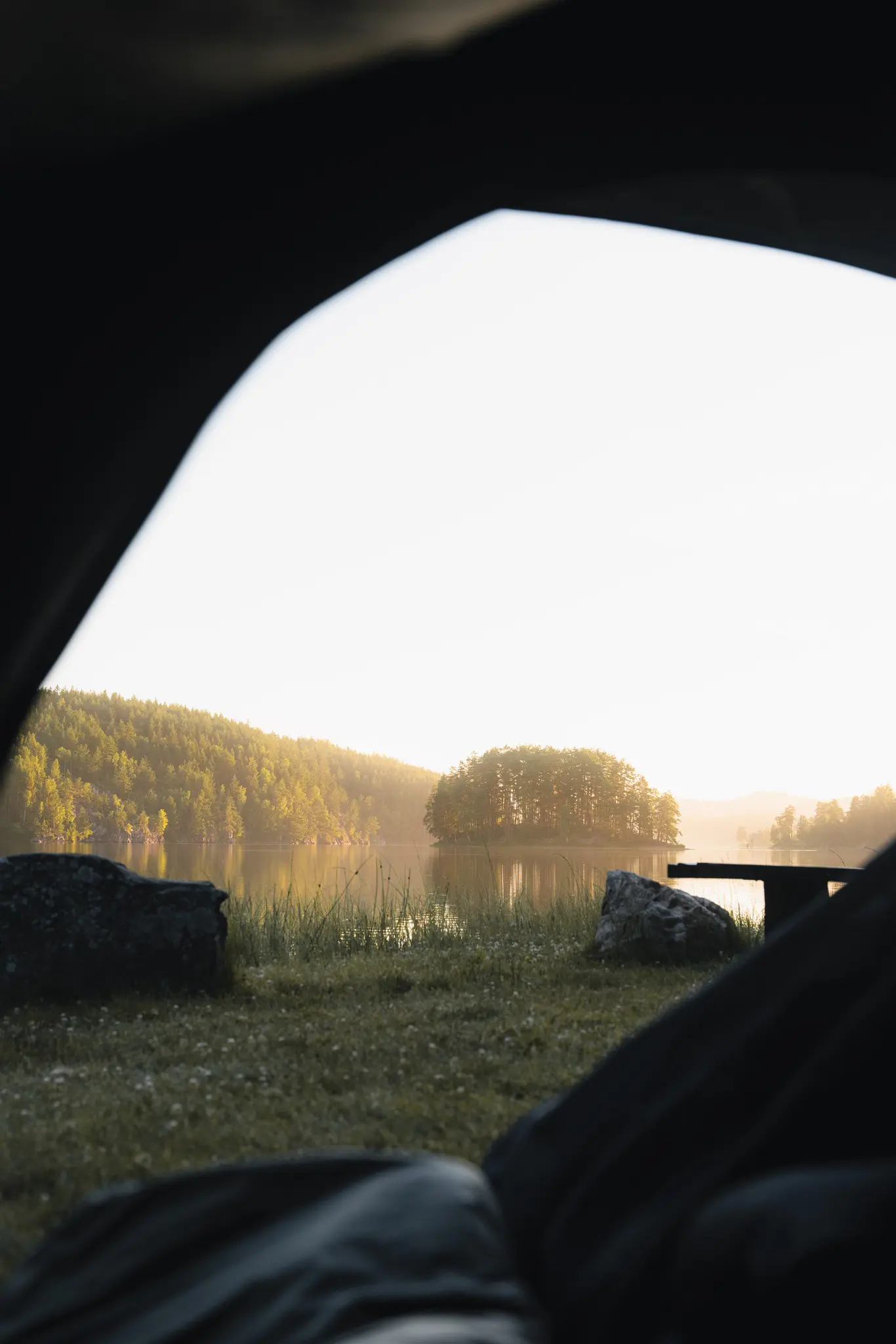
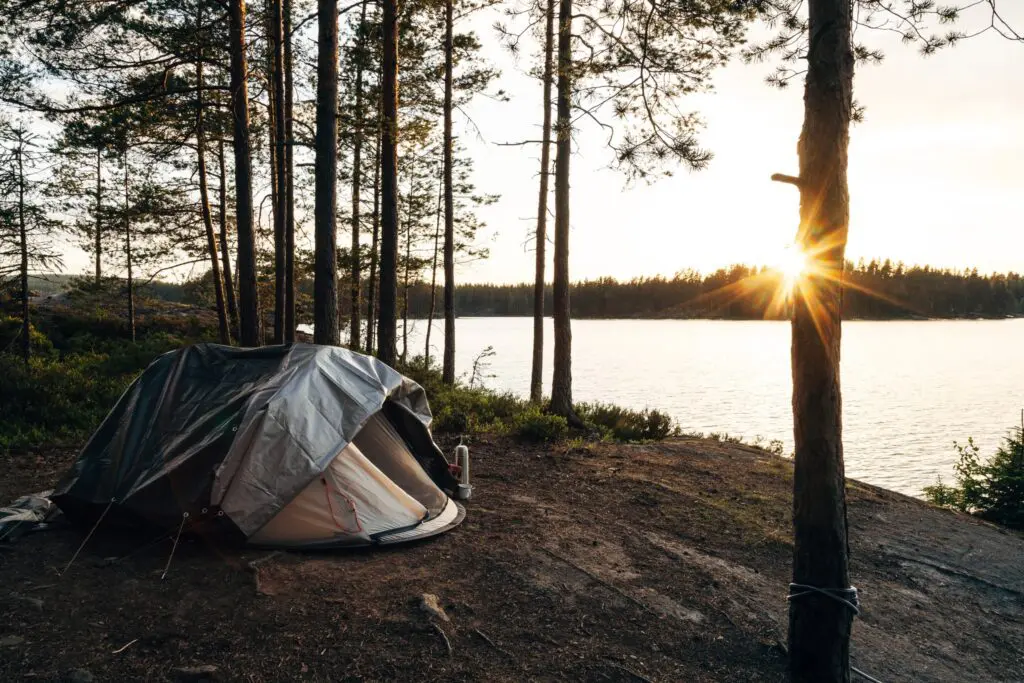
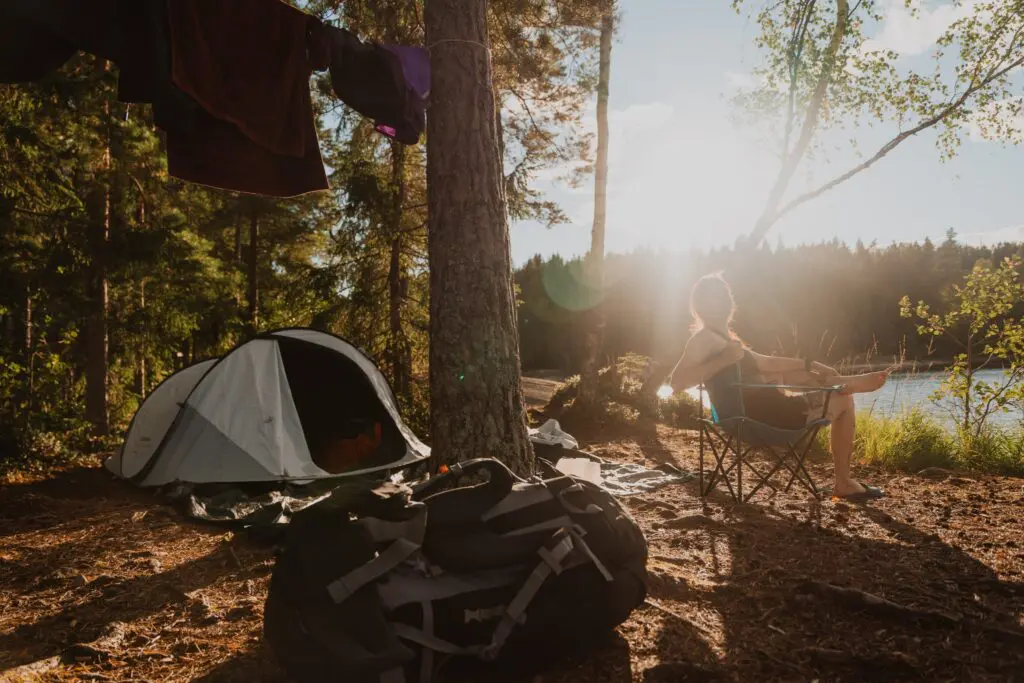
A big part of the trip is finding a great place to sleep. Sometimes that’s an official shelter, and sometimes it’s a quiet, more secluded spot where they set up their tent, hammock and gear. The atmosphere is always the same: peaceful, quiet and incredibly scenic.
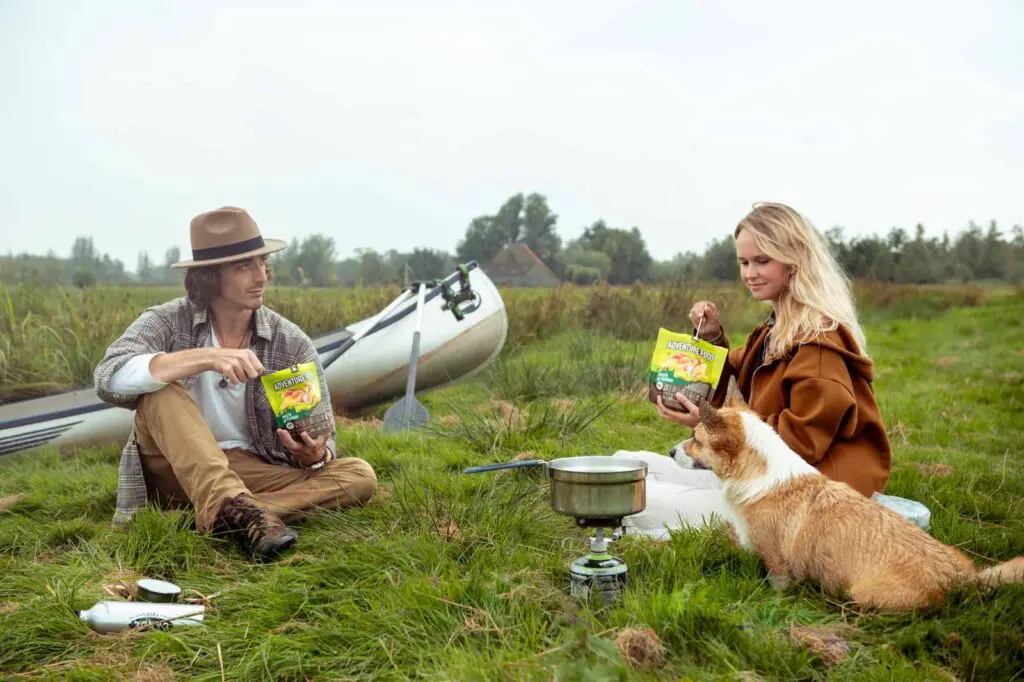
Food is part of the experience too. They cook with Adventure Food from the food pack, which they say contains more than enough for breakfast, lunch, dinner and snacks. Along the way, they even go swimming, and later in the trip they enjoy carrots with wine and chili con carne with rice.
Rain, collecting water and moving on
It rains on the first morning after wild camping. They were expecting it, so the plan is simply to take it easy and wait for the weather to clear up. Since they’ve run out of water, they paddle to the middle of the lake later on to fill their bottles. It’s best not to drink the water near the shore, as it may contain parasites.
After that, they move on again. The rhythm of the trip becomes clear: canoeing, looking for a campsite, mooring, cooking, sleeping, and paddling on. The route remains peaceful, but the scenery changes as they enter new areas.
Locks, new territory and unexpected company
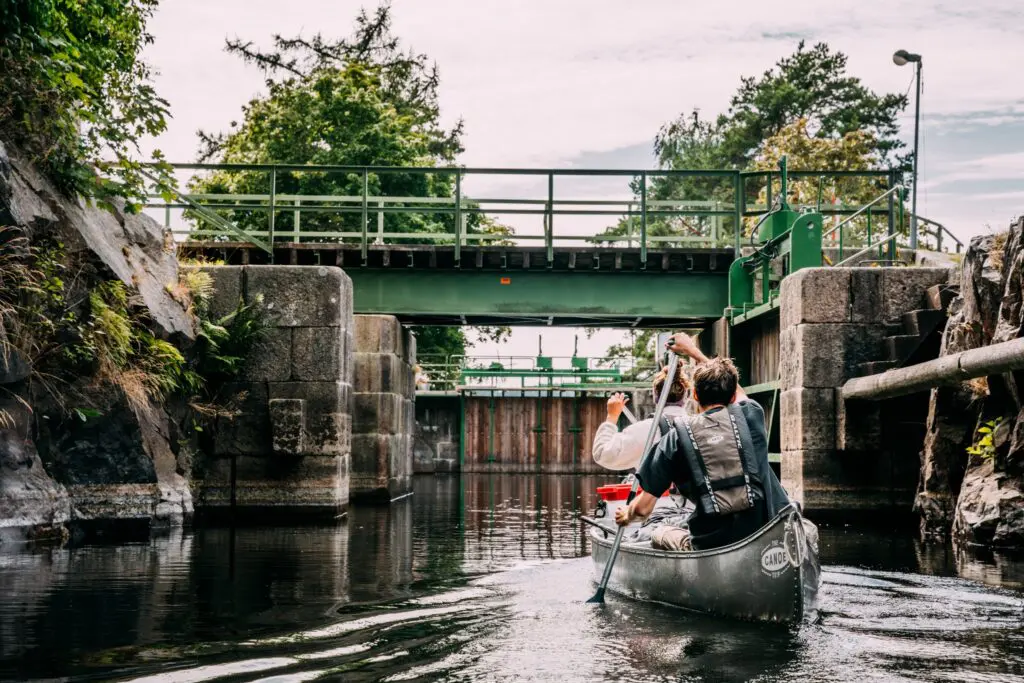
On day 3, they paddle into a lock, which requires a QR code in the Travelbase app. According to them, it's the largest lock in the area. They then continue through a narrow passage, much narrower than the waterways they've seen so far.
Later, they reach another lock, a large one that fills in two stages. Once they've passed through, they're five metres higher and entering a new area. They can also dispose of their rubbish at the lock, which turns out to be very handy along the way.
On one of the islands they visit later, they meet two other canoeists, two girls they'd already seen on the plane. They invite them to camp on the island with them, making the evening even more fun.
The final campfires and why choosing the right spot matters
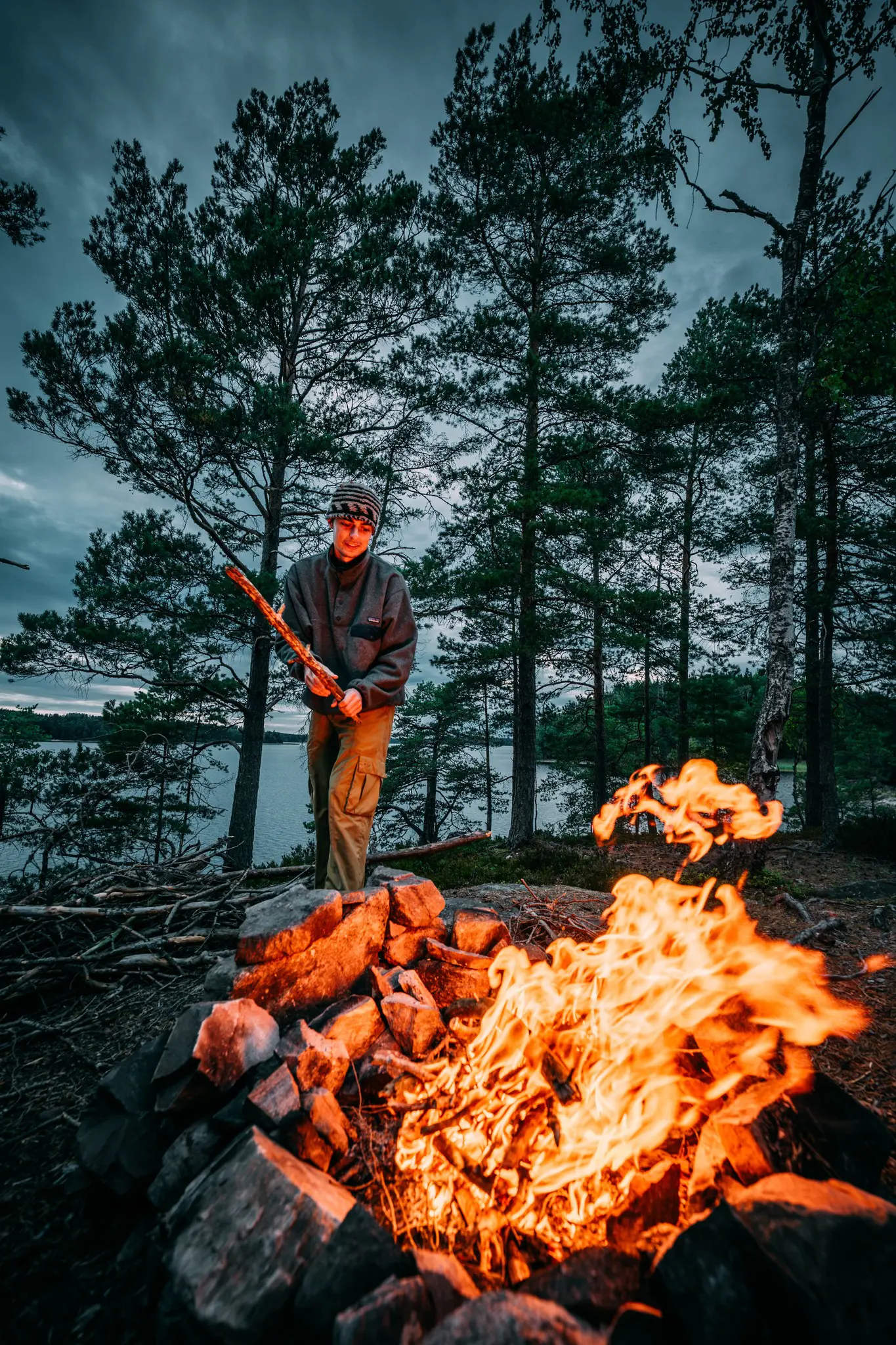
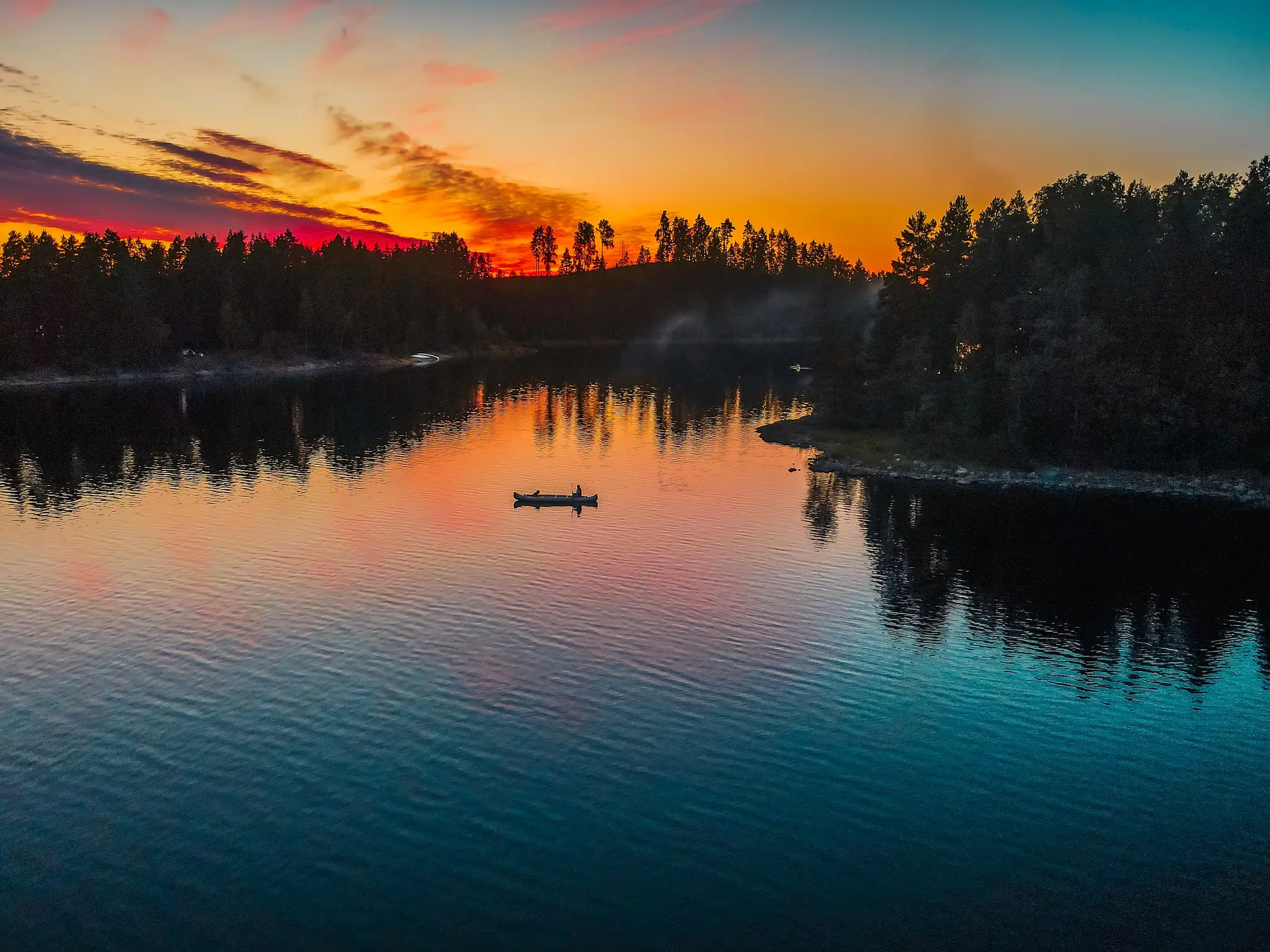
For their final night of wild camping, they choose a spot on the eastern shore so they can still enjoy the sunset. It turns out to be a useful tip: on the western shore, trees can block the sun and the temperature drops sooner. At their new spot, it stays warm for longer, and the sky turns a beautiful pink later in the evening.
They cook canned chili con carne with rice, once again impressed by the peace and quiet. It’s exactly this combination of nature, simplicity and freedom that makes the trip so special.
What should you bring?
- Gloves, which they found really useful for preventing blisters during long stretches of paddling
- A cap for sunny days
- Good rain gear, and possibly a tarp with rope so you can sit somewhere dry
- Teva sandals or other water shoes
- A dark-coloured tent if you have a choice, since it stays light late into the night
- A hammock, which they really enjoyed having
- Extra water bottles, as you often need to collect water in the middle of the lake
- An inflatable pillow if your gear doesn’t include one
- Separate bags and pouches to keep your belongings organised
Their conclusion is clear: don’t bring too many extras. The food pack already contained plenty of food, and they managed just fine without a pocketknife too.
Peeing, pooping, and getting back to base camp
At the end of the video, they also explain how things work in practice out in nature. You can pee pretty much anywhere, but you need to take your toilet paper with you. For number two, they were given a poop shovel to dig a hole and cover it up again afterwards.
They then paddle away from their wild camping spot for the last time and head back towards the lock and base camp. Everyone gradually makes their way back, with one final night at the campsite before heading home the next day.
Watch the video by REISNEUZEN
The video captures the full experience of this week of canoeing and wild camping, including all the stops, campsites and tips from the duo.